 Rare Leaf
Houseplants Toxic to Cats and Dogs: 22 Popular Plants Checked Against ASPCA
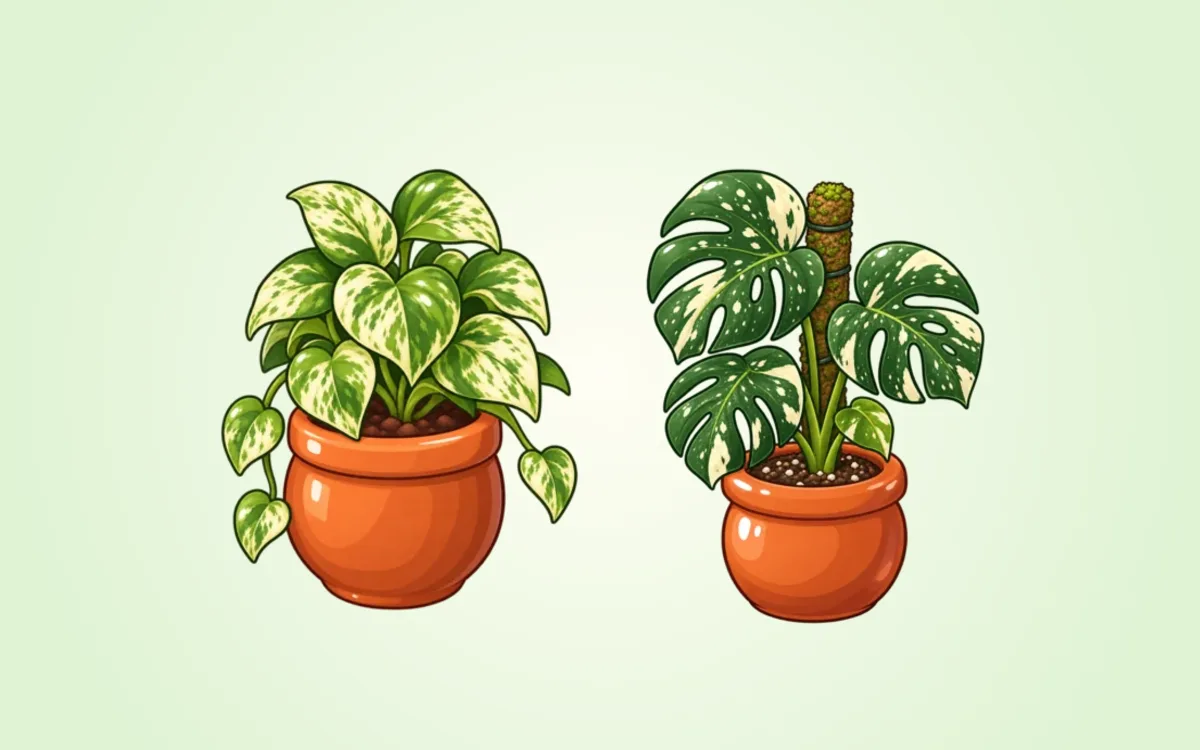
Cats chew leaves, puppies taste everything, and a lot of the most popular houseplants, especially aroids, aren’t something you want them snacking on. This guide checks 22 common houseplants against the ASPCA’s Toxic and Non-Toxic Plants database, maintained alongside its Animal Poison Control Center and one of the most widely used public references on plant toxicity for pets.
For every plant, we say exactly what the ASPCA says. When the ASPCA doesn’t cover a plant at all, we say so and cite a university extension source instead. Not listed never means safe.
This article isn’t veterinary advice. If your pet has already eaten a plant, skip to “What to do if your pet eats a houseplant” below and call your vet.
How to read the ASPCA entries
- Toxic / Non-Toxic: which animals the plant is toxic to (dogs, cats, horses).
- Toxic Principles: the substance responsible. For aroids, it’s usually insoluble calcium oxalates, tiny crystals in the plant tissue.
- Clinical Signs: the symptoms the ASPCA lists.
- Genus-level entries: some entries cover a whole genus (Alocasia spp., Begonia spp., Calathea spp.). When the ASPCA lists the genus but not the exact species, we note that.
- Older names: the ASPCA uses some outdated botanical names, such as Sansevieria trifasciata for what is now Dracaena trifasciata.
Quick reference table: 22 popular houseplants
| Plant | Cats | Dogs | What the ASPCA says |
|---|---|---|---|
| Pothos (Epipremnum aureum) | toxic | toxic | insoluble calcium oxalates (Golden Pothos) |
| Monstera (Monstera deliciosa) | toxic | toxic | insoluble calcium oxalates (Cutleaf Philodendron) |
| Swiss cheese vine (Monstera adansonii) | toxic (genus) | toxic (genus) | species not in the database; Monstera named as toxic in an ASPCA article; NC State: calcium oxalates (NC State) |
| Mini monstera (Rhaphidophora tetrasperma) | toxic (NC State) | toxic (NC State) | not covered by the ASPCA; NC State Extension lists calcium oxalates, low severity (NC State) |
| Satin pothos (Scindapsus pictus) | toxic | toxic | insoluble calcium oxalates (Satin Pothos) |
| Heartleaf philodendron (Philodendron hederaceum) | toxic | toxic | insoluble calcium oxalates (Heartleaf Philodendron) |
| Arrowhead plant (Syngonium podophyllum) | toxic | toxic | insoluble calcium oxalates (Arrow-Head Vine) |
| Philodendron ‘Pink Princess’ | toxic (genus) | toxic (genus) | cultivar and P. erubescens not listed; philodendrons as a group toxic (Red Princess) |
| Alocasia ‘Polly’ (Alocasia × amazonica) | toxic (genus) | toxic (genus) | Alocasia spp., insoluble calcium oxalates (Alocasia) |
| Anthurium clarinervium | toxic (genus) | toxic (genus) | species not listed; Anthurium named as toxic in an ASPCA article; related A. scherzeranum is toxic (Flamingo Flower) |
| Rubber plant (Ficus elastica) | toxic (genus) | toxic (genus) | species not named; Ficus sp. toxic, ficin and psoralen (Weeping Fig) |
| Fiddle leaf fig (Ficus lyrata) | mildly toxic | mildly toxic | not in the database; named in the ASPCA houseplant article (Is That Houseplant Safe) |
| Snake plant (Dracaena trifasciata) | toxic | toxic | saponins; listed as Sansevieria trifasciata (Snake Plant) |
| ZZ plant (Zamioculcas zamiifolia) | toxic | toxic | not in the database; an ASPCA article groups it with plants containing insoluble calcium oxalates |
| Spider plant (Chlorophytum comosum) | non-toxic | non-toxic | non-toxic (Spider Plant); ASPCA article notes possible mild stomach upset |
| Chinese money plant (Pilea peperomioides) | non-toxic | non-toxic | not in the database, but listed as non-toxic in an ASPCA article on succulents; other Pilea species non-toxic (Aluminum Plant, Friendship Plant) |
| Wax plant (Hoya carnosa) | non-toxic | non-toxic | non-toxic (Honey Plant) |
| Calathea orbifolia (Goeppertia orbifolia) | non-toxic (genus) | non-toxic (genus) | species not listed; Calathea spp. non-toxic (Calathea) |
| Prayer plant (Maranta leuconeura) | non-toxic | non-toxic | “Prayer Plant” non-toxic (Prayer Plant) |
| Polka dot begonia (Begonia maculata) | toxic (genus) | toxic (genus) | Begonia spp., soluble calcium oxalates (Begonia) |
| Inch plant (Tradescantia zebrina) | mildly toxic (NC State) | mildly toxic (NC State) | not covered by the ASPCA; NC State: mouth and stomach irritation, contact dermatitis (NC State); related T. fluminensis toxic, dermatitis (Inch Plant) |
| Peace lily (Spathiphyllum wallisii) | toxic | toxic | insoluble calcium oxalates (Peace Lily) |
We checked these entries in the ASPCA database and the ASPCA’s houseplant articles in September 2026. “(genus)” means the ASPCA covers the genus but not the exact species. When the ASPCA doesn’t cover a plant at all, we use NC State Extension (a university extension service) and say so.
Aroids and calcium oxalate crystals
Most plants in the table belong to the arum family (Araceae): pothos, monstera, satin pothos, philodendrons, arrowhead plant, alocasia, anthurium, and peace lily. For these, the ASPCA lists insoluble calcium oxalates as the toxic principle.
According to the ASPCA’s 2019 houseplant article, the stems, leaf stalks, and leaves contain tiny crystals that irritate the mouth and GI tract when chewed or swallowed. Signs the ASPCA lists include:
- oral irritation, pain, or burning of the mouth, tongue, and lips,
- excessive drooling,
- vomiting,
- difficulty swallowing.
In rare cases, the irritation can become severe, with swelling of the tongue and back of the throat causing trouble breathing and swallowing. The ASPCA says these exposures are generally not considered life-threatening, but pets with more severe GI distress or trouble breathing may need veterinary care.
What about aroids missing from the database? Monstera adansonii, Rhaphidophora tetrasperma, and Anthurium clarinervium have no separate ASPCA database entry. However, an ASPCA article on troublesome houseplants names the whole Monstera and Anthurium genera as toxic, along with ZZ plant (Zamioculcas). For Monstera adansonii and Rhaphidophora tetrasperma, NC State Extension lists calcium oxalate crystals with low poison severity. Treat them like any other aroid.
Other toxic plants
Snake plant (Dracaena trifasciata, formerly Sansevieria trifasciata). The ASPCA lists saponins as the toxic principle, with nausea, vomiting, and diarrhea as signs.
Figs. The ASPCA lists Ficus sp. (weeping fig) and an “Indian rubber plant” entry as toxic to dogs and cats, with ficin (a proteolytic enzyme) and psoralen as the toxic principles. Note that the “Indian rubber plant” entry gives Ficus benjamina as the scientific name; Ficus elastica isn’t listed by name. The ASPCA’s houseplant article describes the fiddle leaf fig (Ficus lyrata) as mildly toxic to dogs and cats: small ingestions carry a risk of mild GI irritation, most commonly vomiting and diarrhea, and the sap can irritate skin.
Begonias. The ASPCA lists the entire Begonia genus as toxic. The toxic principle is soluble calcium oxalates; listed signs in dogs and cats are vomiting and salivation, and the ASPCA notes the most toxic part is underground.
Tradescantia. Tradescantia zebrina isn’t in the ASPCA database. The related T. fluminensis (inch plant) is listed as toxic, with dermatitis (skin inflammation) as the clinical sign. NC State Extension rates T. zebrina as low severity: mouth and stomach irritation if eaten and skin redness after contact, for dogs, cats, and children.
Houseplants the ASPCA lists as non-toxic
From our atlas, the ASPCA lists these as non-toxic to dogs and cats:
- spider plant (Chlorophytum comosum),
- wax plant (Hoya carnosa),
- calatheas (Calathea spp.). Goeppertia orbifolia used to be classified in Calathea, but the ASPCA doesn’t list it as a separate species,
- prayer plant. Note that the ASPCA’s Prayer Plant entry gives Calathea insignis as the scientific name, not Maranta leuconeura, so this is a common-name match rather than an exact species match,
- Chinese money plant (Pilea peperomioides). It isn’t in the database, but the ASPCA lists it as non-toxic in its article on succulents. Other Pilea species (P. cadierei, P. involucrata) are listed as non-toxic in the database too.
Non-toxic doesn’t mean harmless. The ASPCA’s houseplant article notes that even spider plant can cause mild GI upset, most commonly vomiting and diarrhea. If your pet eats a lot of any plant or seems unwell, call your vet.
What to do if your pet eats a houseplant
- Stay calm and remove any plant material from your pet’s mouth (if it’s safe to do so) and from their reach.
- Identify the plant. The botanical name from the tag or our atlas is best. Take a photo or bring a piece of the plant to the vet.
- Estimate how much and when your pet ate it, and watch for signs such as drooling, vomiting, diarrhea, pawing at the mouth, or trouble swallowing or breathing.
- Call your veterinarian or an emergency vet right away. The ASPCA advises contacting your local vet or its poison control line as soon as possible if you suspect ingestion.
- ASPCA Animal Poison Control Center: (888) 426-4435, available 24 hours a day, 365 days a year. A consultation fee may apply.
- Don’t treat your pet yourself. Don’t give medications, milk, or home remedies unless a vet specifically tells you to. Leave dosing and treatment to the vet.
If your pet is having trouble breathing, has swelling around the throat, or seems lethargic, go straight to an emergency vet.
Keeping plants and pets together
- Put toxic plants out of reach: high shelves, hanging planters away from anywhere a cat can jump, or a room your pet doesn’t use.
- Pick up fallen leaves and trimmings so they aren’t on the floor.
- Keep water propagation stations out of reach; pets may drink from them or chew the cuttings.
- Check the name before a new plant goes on the floor.
- Choose from the ASPCA non-toxic list if you have a pet that chews plants constantly.
Why you’ll find conflicting information
You’ll often see contradictory answers online for the same plant. A few reasons:
- The ASPCA lists some plants under older or common names, and the exact species may be missing.
- Many popular collector plants (Rhaphidophora tetrasperma, Monstera adansonii, Zamioculcas) have no separate database entry, so the only data is in ASPCA articles or university sources.
- Shops and blogs often copy claims without a source and turn “not listed” into “pet-safe.”
That’s why every row in our table links directly to the relevant ASPCA page, and why, for plants the ASPCA doesn’t cover, we cite a university source or say reliable data is missing rather than guess.
FAQ
Is pothos toxic to cats?
Yes. The ASPCA lists pothos (Epipremnum aureum) as toxic to cats and dogs. It contains insoluble calcium oxalates, and listed signs include oral irritation, intense burning and irritation of the mouth, tongue, and lips, excessive drooling, vomiting, and difficulty swallowing.
Is monstera toxic to dogs?
Yes. The ASPCA lists Monstera deliciosa as toxic to dogs and cats because of insoluble calcium oxalates. Monstera adansonii has no separate database entry, but an ASPCA article on troublesome houseplants names the whole Monstera genus as toxic, and NC State Extension lists calcium oxalate crystals with low poison severity for M. adansonii.
What houseplants are safe for cats and dogs?
Among the plants in our atlas, the ASPCA lists spider plant (Chlorophytum comosum), wax plant (Hoya carnosa), calatheas (Calathea spp., the group Goeppertia orbifolia used to belong to), prayer plant, and Chinese money plant (Pilea peperomioides) as non-toxic. Non-toxic does not mean a pet cannot get an upset stomach from chewing them.
What should I do if my cat or dog eats a houseplant?
Remove any remaining plant material, identify the plant by name, and contact your veterinarian or an emergency vet right away. In the US, ASPCA Animal Poison Control is available 24/7 at (888) 426-4435; a consultation fee may apply. Do not give your pet anything unless a vet tells you to.
Is a snake plant toxic to cats?
Yes. The ASPCA lists Sansevieria trifasciata (now Dracaena trifasciata) as toxic to dogs and cats. It contains saponins, and signs include nausea, vomiting, and diarrhea.
Is a ZZ plant toxic to pets?
Yes. Zamioculcas zamiifolia has no separate entry in the ASPCA database, but an ASPCA article on troublesome houseplants groups ZZ plant with plants that contain insoluble calcium oxalate crystals. Chewing it can cause drooling, vomiting, and diarrhea; the ASPCA describes these exposures as usually low in severity.
Sources
- ASPCA — These Houseplants Can Cause Trouble for Your Pets (Monstera, Anthurium, ZZ)
- ASPCA — Are Succulents Safe to Have Around Pets? (Pilea peperomioides)
- NC State Extension — Monstera adansonii (toxicity)
- NC State Extension — Rhaphidophora tetrasperma (toxicity)
- NC State Extension — Tradescantia zebrina (toxicity)
- ASPCA — Toxic and Non-Toxic Plants (database)
- ASPCA — Is That Houseplant Safe for Your Pets? (2019)
- ASPCA Poison Control — (888) 426-4435
- ASPCA — Golden Pothos
- ASPCA — Cutleaf Philodendron (Monstera deliciosa)
- ASPCA — Satin Pothos (Scindapsus pictus)
- ASPCA — Heartleaf Philodendron
- ASPCA — Arrow-Head Vine (Syngonium podophyllum)
- ASPCA — Red Princess (Philodendron)
- ASPCA — Alocasia
- ASPCA — Flamingo Flower (Anthurium scherzeranum)
- ASPCA — Weeping Fig (Ficus sp.)
- ASPCA — Snake Plant (Sansevieria trifasciata)
- ASPCA — Spider Plant
- ASPCA — Aluminum Plant (Pilea cadierei)
- ASPCA — Friendship Plant (Pilea involucrata)
- ASPCA — Honey Plant (Hoya carnosa)
- ASPCA — Calathea
- ASPCA — Prayer Plant
- ASPCA — Begonia
- ASPCA — Inch Plant (Tradescantia fluminensis)
- ASPCA — Peace Lily
Care information is general; every plant and home is different. Growing is simplified in the game.